The Life-Sized City - Berlin
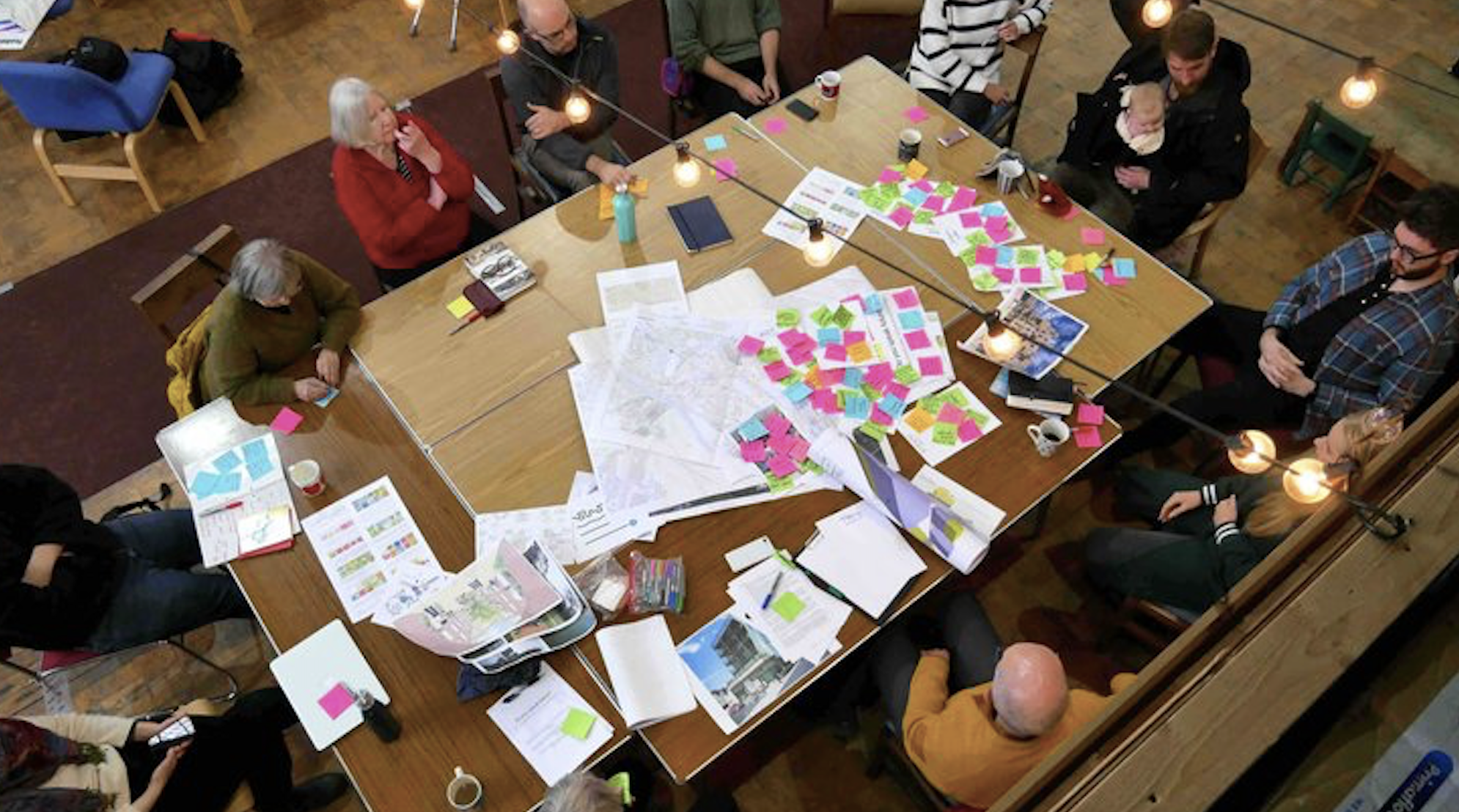
Our first Screening & Discussion of 2026 – and the fifth in this winter series – took us to Berlin, a city which Mikael Colville-Andersen noted with understatement “has seen some conflict”. It was an interesting hour; an early conversation in the film noted that the population of Berlin has shrunk from around 5 million before WW2 down to around 3.5m now – with a range of impacts but creating space for change. And green space too – albeit some of it upon the piled-high rubble from the war.
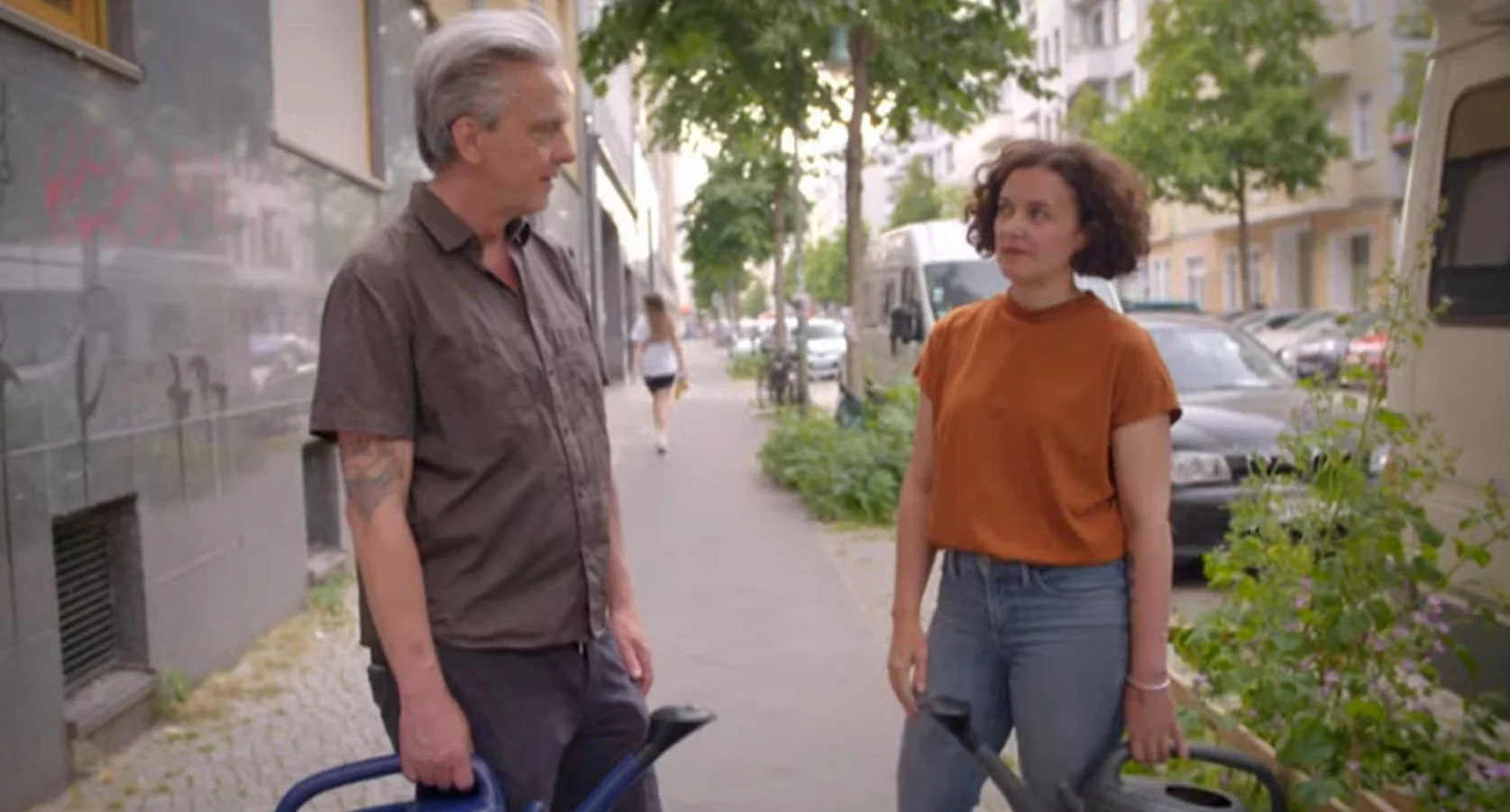
Much of the film – as is the nature of this series – spent time with people very active within their communities. There were fascinating contrasts – in one neighbourhood residents were tagging the walls of their homes with graffiti to make the area less desirable and hence cheaper, while in another the locals were out there greening their streets, and using the city’s network of free hydrants to keep them green. There was discussion about the process of local people taking on tasks which had been traditionally seen as the role of the council, and one of the Berlin residents commented that they hoped by setting a good example, at some point the city would take back the responsibility.
But is this a helpful aim, we asked in the discussion afterwards? We reflected on the role of the citizen and on the role of the council. David (who is part of the Friends of Leeman Park) noted the issue where community groups can be seen by politicians as an opportunity to cross off financial liabilities from the council to-do list. Tim (with a background in transport planning) noted that with councils focusing on statutory responsibilities, pragmatic stuff around what makes places work often gets forgotten. He described how we all (well all us over 66’s) have a bus pass but many of us have no buses.
This connects with regular My Future York drum-banging around the difference between residents (who live somewhere, pay council tax to ensure the place functions, and participate by voting at elections) and citizens – who play an active part in their community and who invest time in shaping its future. We talked about the Local Plan; did we need some sort of “people’s local plan” – a process of vision-building at grass-roots level to feed into shaping the document, and did we need to re-think process so that fixing where stuff happens becomes the last step, following deciding what should actually be happening?
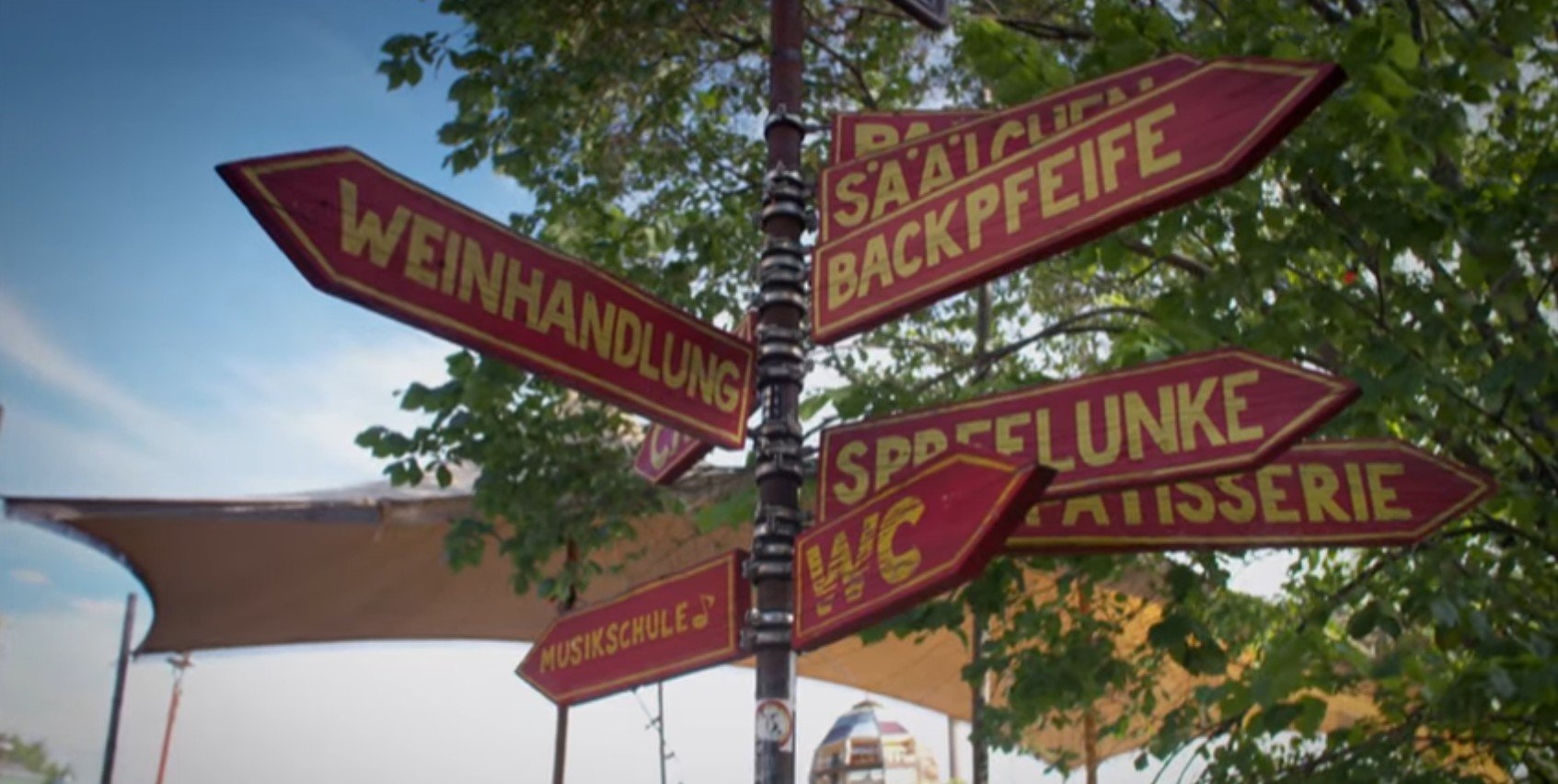
This connected nicely with another part of Mikael’s Berlin walkabout – the Holzmarkt. This was a lovely riverside low-key development – there were bars, a bakery, places for music, but also just informal space for people to meet (the land bought by a pension fund at the prompting of the site’s former nightclub owners). The guy behind it talked about it not being against anything, not a reaction to anything – just “finding a way inbetween things” to do something positive – very much in YoCo’s spirit of “propose, don’t oppose”. Chris noted that it was the original venue for the annual Creative Bureaucracy Festival – where Charles Landry brought together people from within councils and got them to explore what they could do to unlock creative processes.
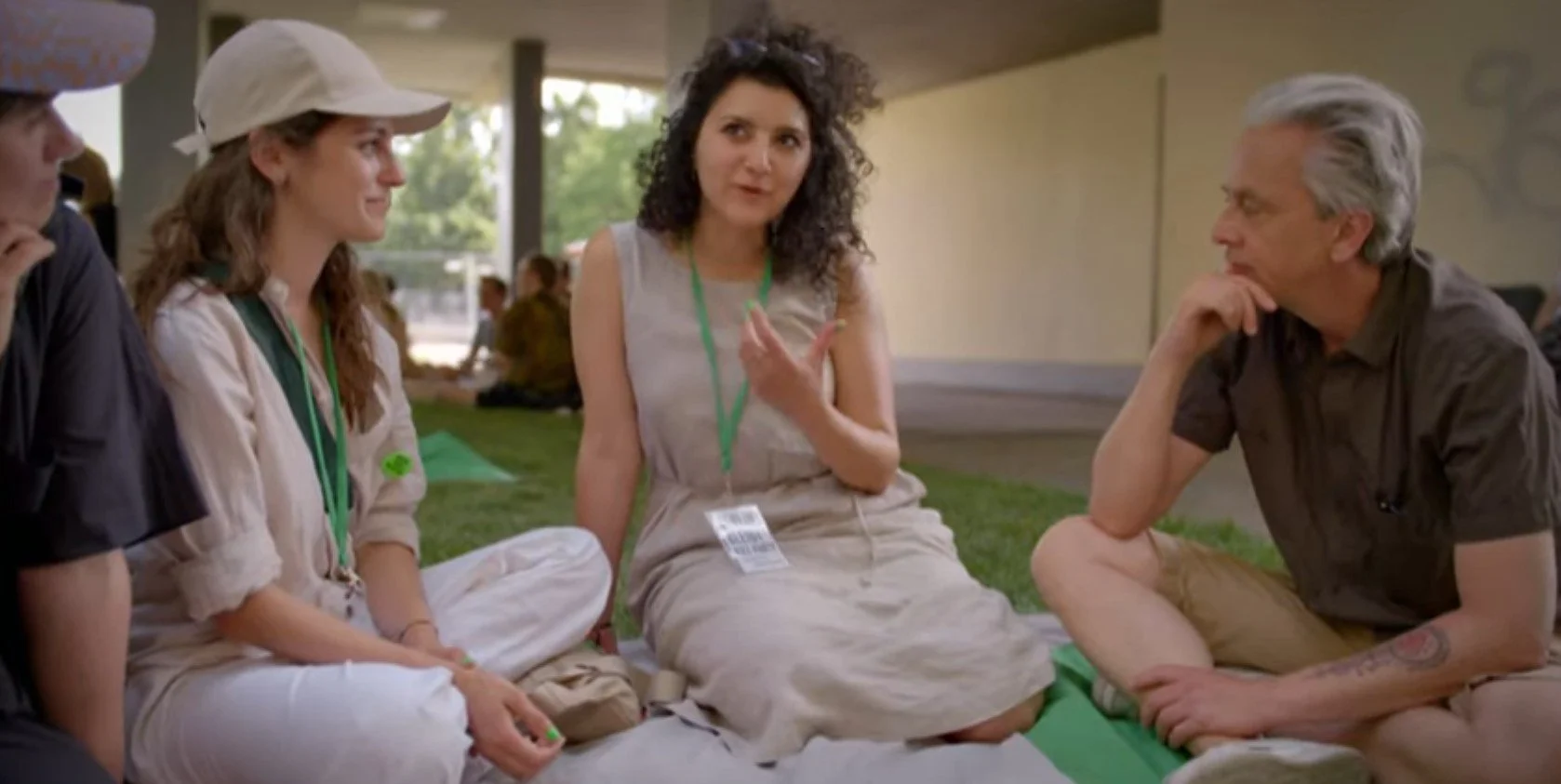
We returned in the discussion to an idea that kept being repeated in Berlin – the role of public space in simply allowing people to meet, to explore and enjoy their common ground and their differences alike. We reflected on York’s Shambles Market – empty and unused of an evening and yet central and sheltered. We returned to conversations at previous events about night markets, and about the role that food and music can play in creating places where people want to linger. Perhaps this was an example of that gap that Tim had described between the universal bus pass (the council’s on-paper commitment to cultural wellbeing) and the lifeless evening space (the absent buses). Could the council be a creative bureaucracy, by enabling community activity there? How does such a process get kickstarted?
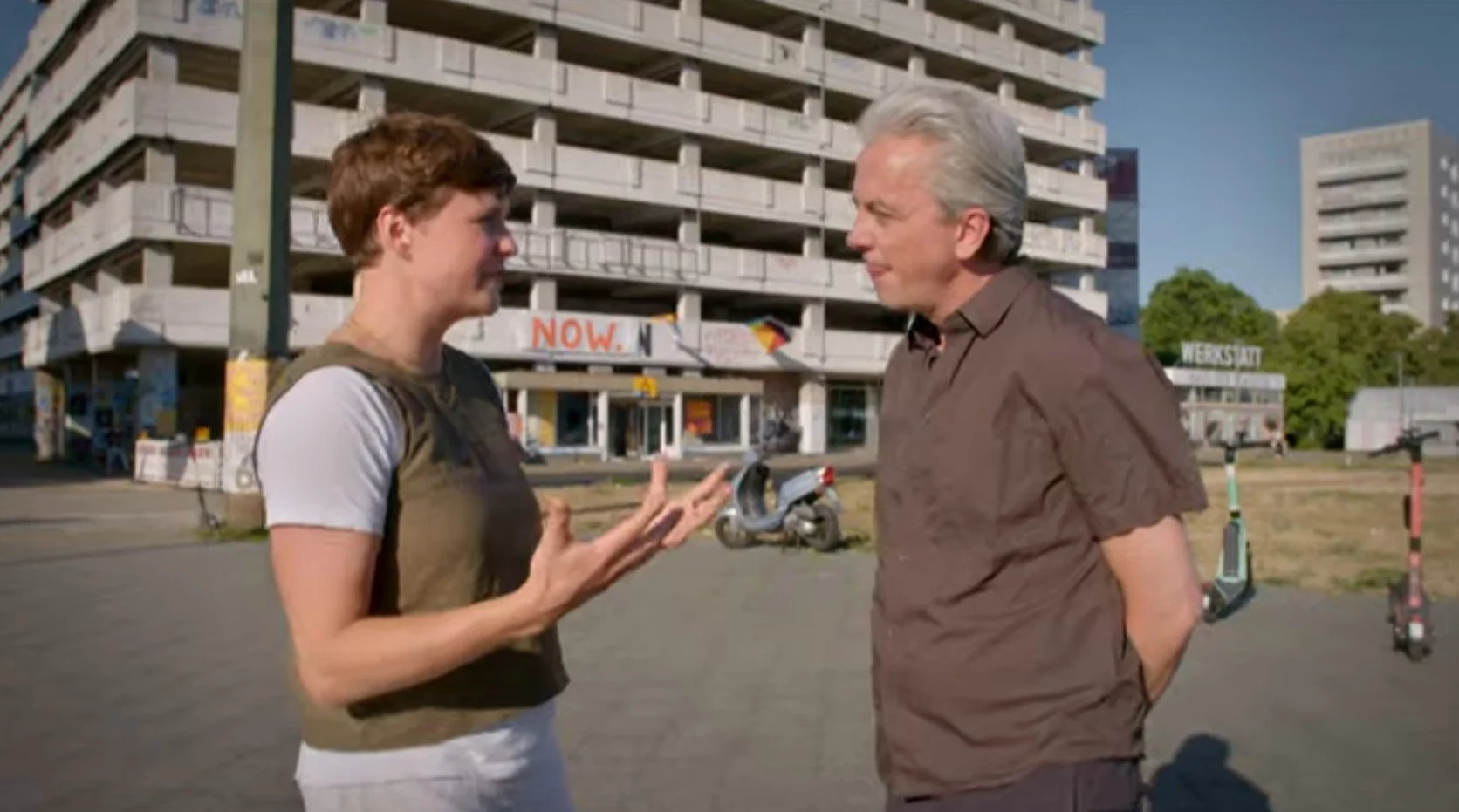
There was other good stuff in Berlin – a phone app that connected people to every tree in the city, enabling them to water them and log the care they receive. There was creative thinking about re-use of empty city-centre buildings including the Haus der Statistik and ways to buck the trend of gentrification and profit-driven development. There was courage from migrants, and the gradual acknowledgement that people didn’t have to look/be German to be part of society – diversity was okay.
And alongside that there was the framing of the city as an ongoing experiment; that there need not be a finished state, a final enduring version of Berlin – that it would forever be in a state of change. If York’s history teaches us anything, perhaps this should be our lesson too. Our city will always be changing; do you want to watch it with surprise, or be part of that constant reshaping?