The Life-Sized City - Taipei, Taiwan
Our sixth overseas visit of this winter was to Taipei in Taiwan – a city with a history of political change, which has left its citizens with an independence of mind and an enthusiasm for democratic process. The documentary mentioned that inequality in Taipei was increasing – but from a relatively equitable base (in comparison with York’s position as England’s ninth most economically unequal city). There were questions in the discussion though about overall levels of wealth and how economics – along with other factors – drove the pressures for change and development.
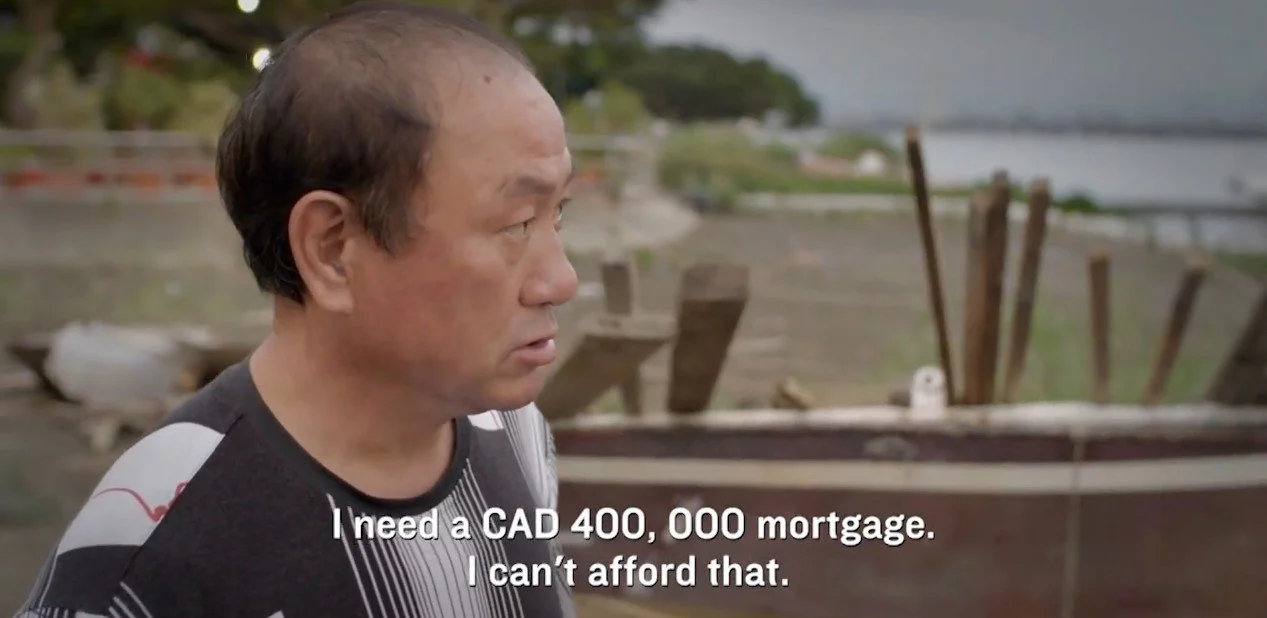
There was the all-too-familiar discussion of the meaning of “affordability” – assurances on rehousing for people displaced by upcoming development, but clear differences between a zero-cost family plot of land with a self-built home and an “affordable” apartment in a new high-rise. There was mention too of the tensions inherent in new development set within existing heritage, and the use of design guides – how the purpose can be “to avoid the bad rather than encourage the good”.
This prompted a conversation about design guides in York, and the underpinning thinking. The design guide for York Central appears to focus much more on appearance and materials (how things look) than on use and mix (how things work). A couple of us recalled public discussion of “Yorkness” and the resistance to the idea that this might be about how we live rather than how our buildings looked. We talked about the creation of footstreets in the 1980’s; how this process was very much rooted in how places worked (specifically how removal of traffic opened up the possibility of use of space for other activities) and whether in fact interest in use rather than appearance pretty much ran aground when the footstreet programme ended.
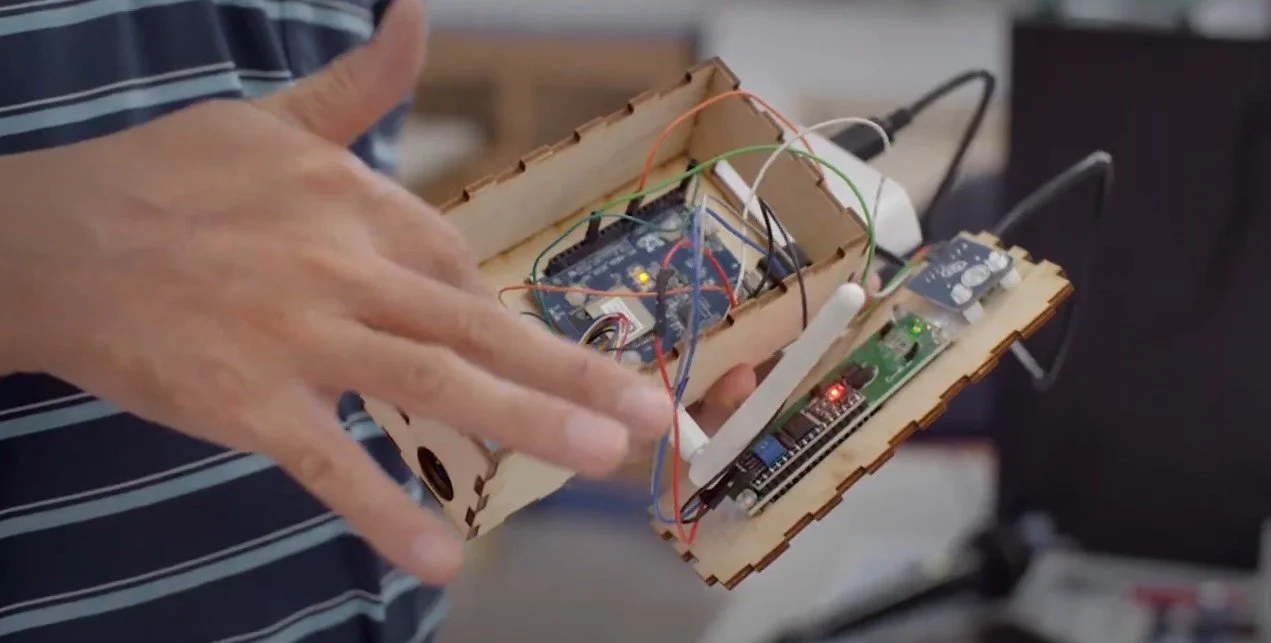
Much of the rest of the discussion was on the broad theme of citizenship and the young. The film showed a really interesting project based around the creation of a simple (DIY for present-day young people) tester for PM2.5 particulates called the Airbox. This was simple enough that a large number could be installed all across the city by local people, giving real-time data on local air quality. We discussed whether citizen data was seen as being more powerful than corporate data; what might the impact be of a kid driven home on the school run showing the data from their (or the neighbours on their route’s) Airbox?
Underpinning all of this in Taipei was a youthful movement called g0v (“gee zero vee” but pronounced as “gov zero”) created to encourage open source data as a democratic resource. The open source nature – the ease of availability – was key, in that it allowed a young person to drop in, spend some time working on something, and then leave it for others to take forward. There was acknowledgment that citizenship shouldn’t be a full-time job, and people (certainly young people) needed it to fit their lives.
We compared this with data initiatives in York. The https://yorkairmap.org website gives info on various pollutants and there have been other initiatives to present data in easily available ways but a consensus that most of these tended to be “totally unusable”. This is unfortunate – if citizenship is to start young, there need to be ways in which young people can engage and feel they can be part of steering policy and practice as a result.
The film also explored the very wonderful Parks and Playgrounds for Children by Children project – driven by the scary-sounding “Angry Mothers”. Here funding had enabled designers to work with children to turn their ideas into playscape – engaging in ways that a slide and two bouncy horses would never be. The project worked with tools which included cardboard boxes and acknowledged that risk was not to be entirely avoided – safely climbing stone steps was good life experience and learning. The film also touched on how playable landscape can be fun for all ages – something which has been discussed within the My Castle Gateway public engagement process (but which all too often ends with a standard “playground” and off-the-peg seating).
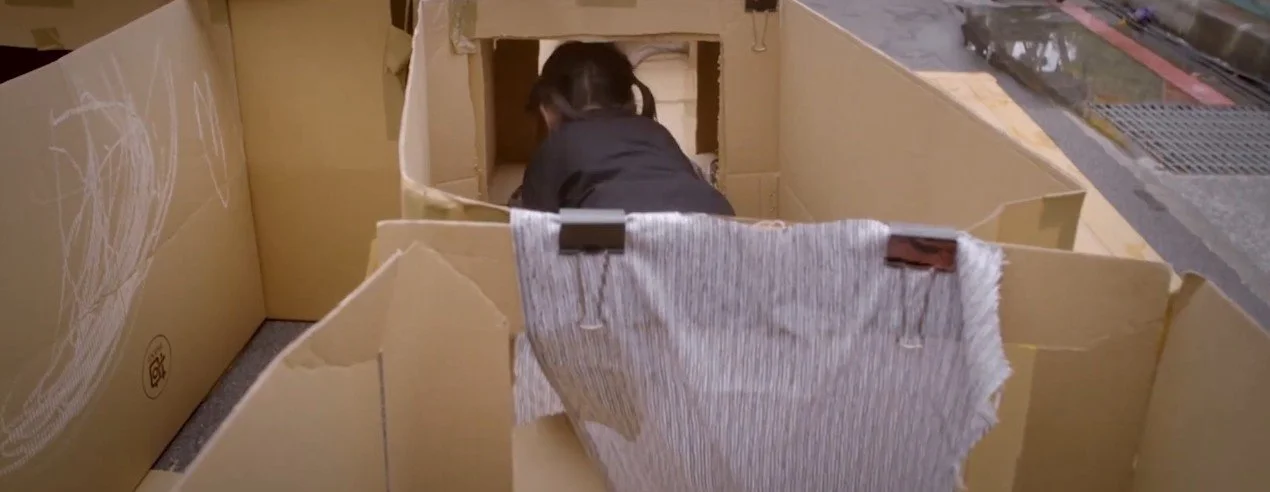
This led to discussion about involving children in design in York – there have been past projects but it was pointed out that diminishing funding had stripped the council of the resources needed to engage in this way – “there’s basically just one council officer dealing with all play”. Phil outlined a project in Leeds from a few years back – working with kids who discussed and agreed what they wanted to be able to do in an improved playground, modelling it in cardboard, and then putting together promotional material to raise sponsorship funding to help deliver it (you can read the report here). The key had been open questions and trust – neither of which need be expensive and which can sow seeds of citizenship in the young.
We left Taipei, and our discussion, with a question;- what should we do next? How should we take the ideas we’ve seen from Life-Sized Cities, and at least bring some of the good practice and innovation to York? If you have ideas, email us – yocoinformation@gmail.com!