The Life-Sized City - Istanbul
Our final 2025 Screenings and Discussions virtual visit took us to Istanbul, joined by a small group keen to see out the old year with some optimism and a mix of creative and critical thinking. Istanbul is clearly very different to York – far larger with a population of around 15m but familiar phrases cropped up frequently – “layers of history”, “insane traffic” etc.
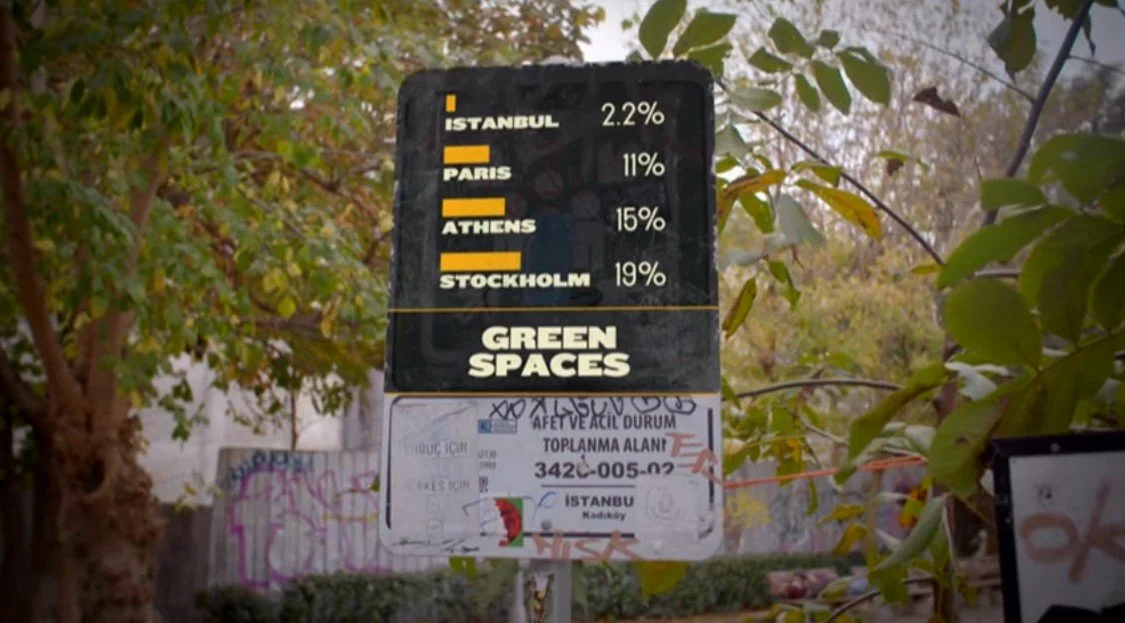
A major chunk of the initial framing was around democratic process and its failures, with the example of the proposed development of Gezi Park, the resulting protests and the violent response of the authorities. In a city where only 2.2% of the land is green space, there are ongoing initiatives to retain and enhance this – the Roma Bostani community garden seemed to have used citizen action to influence planning policy, but not without shocks along the way (sudden designation for development which had to be opposed). This was a very gentle but persistent opposition though – who is the group? “You, me, and everybody”.
A later visit took us to a construction site where existing residents had been forced out of their homes to allow clearance for a condominium scheme – communities deliberately fragmented to defuse opposition and set neighbour against neighbour. The background was spelled out that “construction is a way of distributing wealth” – surely we can breathe a sigh of relief that things are different here… …but then we might look at the way change in our city centre has been largely blocked by the opacity of property ownership (Good Organisation have done interesting work exploring this alongside their work on tourism). Land planning policy which ensures shortage of homes, too – and which breaks up communities by fragmenting families out into cheaper satellite towns (Selby, Malton etc) also calls into question democratic process.
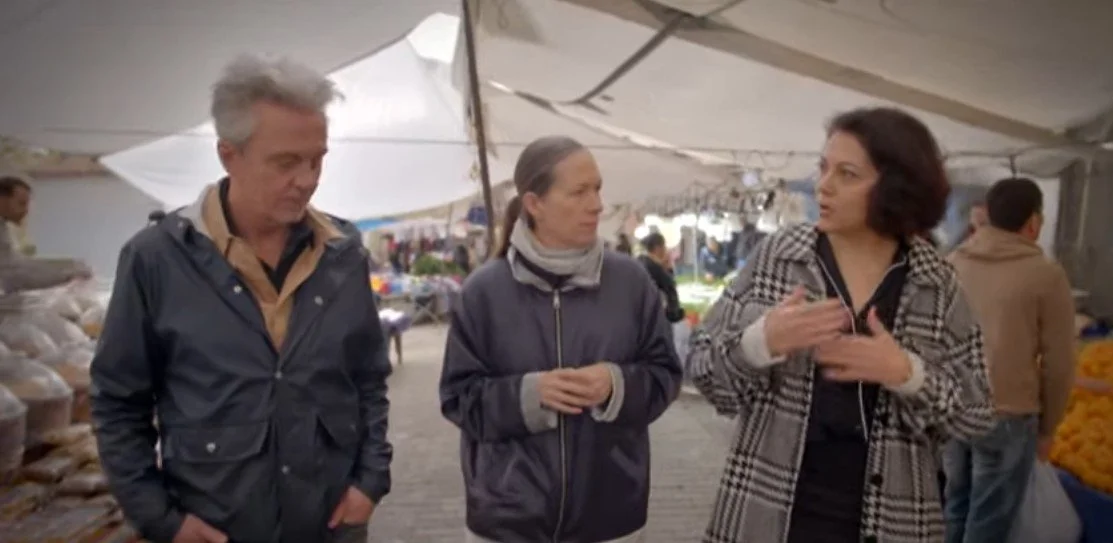
The Pazars – street markets – provided a fascinating example of how small-scale economy can bring benefits ranging from affordable food on the doorstep of each neighbourhood, through to the transformation of backstreets and little-used urban space into economic activity, and making public space which is safe. YoCo’s Community Plan for York Central envisaged public space where neighbours took ownership, bringing footfall and making places where kids are safe to play – the street markets may have looked a little different but the effect is similar. We talked about the need for markets to be close to the communities that use them – Selby market is probably much more effective in providing for local people than York’s market. We also talked about night markets and the way in which – from personal experience living overseas – they brought life to a place. What might night-time Shambles Market be, if it were something better than an unused corner inviting vandalism?
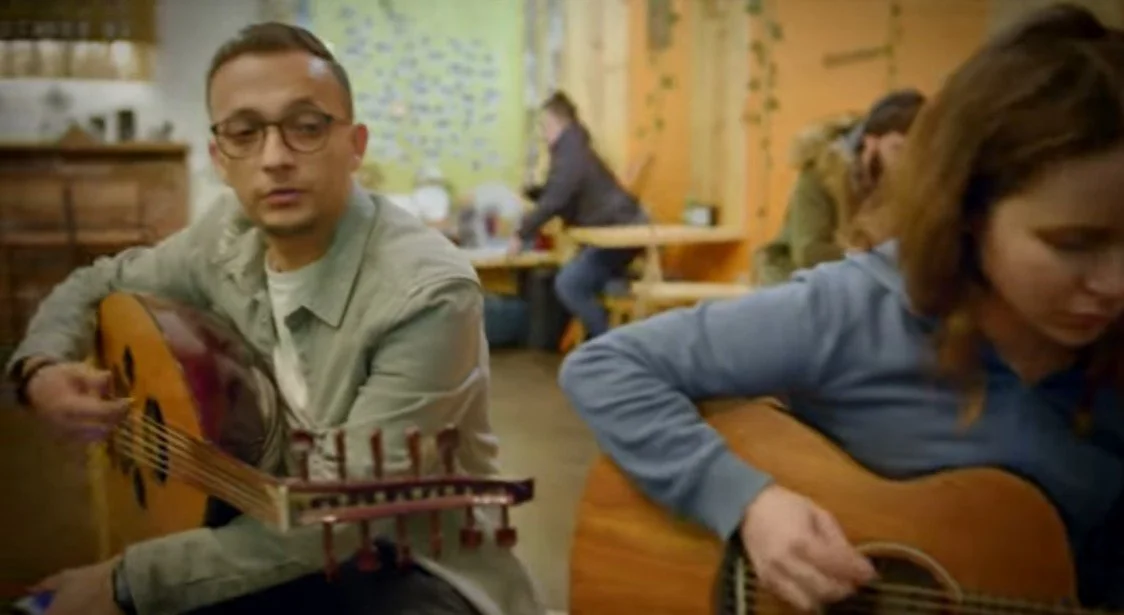
This theme of how streets and spaces can be brought to life was continued with a visit to Yolo Art – a project started by two Syrian “guests” (Turkey’s approach to citizenship sounded all-too familiar) which combined a café with a really proactive approach to the arts as a way of engaging and spreading learning – whether through music or stand-up or whatever was wanted. Just five months into a programme of change, there was a buzz about it. The restaurant Hayata Saril Lokantasi similarly addressed the needs of homeless people head-on, run by a woman who had experienced homelessness and who juggled conventional daytime clientele with provision of freshly-cooked food for local homeless people in the evenings.
We looked at examples close to home – WestRaven in Peterborough - a community cafe with a community fridge, pay-what-you-can-pantry, library, craft and social events, and free dinner one night for pensioners, and of course York’s Planet Food – providing pay-as-you feel food from “waste” obtained from retailers, but hampered by limited space and limited time, and consequently less outward-looking than might otherwise be possible. It was pointed out that the film failed to mention the role of the mosques in Turkey – providing what would be broadly described as “social services” and alongside other NGOs and volunteers filling a massive gap left by government.
Another issue – what Mikael called “the elephant in the room” – was traffic and its impact. He set out the (really pretty good-looking) range of public transport options but noted that even a modest 20% modal share for private vehicles still meant an awful lot of private vehicles (4.5m of ‘em). There the trail ran cold, really – noting similar initiatives to other major cities, but without evidence of real success; “sticking plasters on an open wound”.
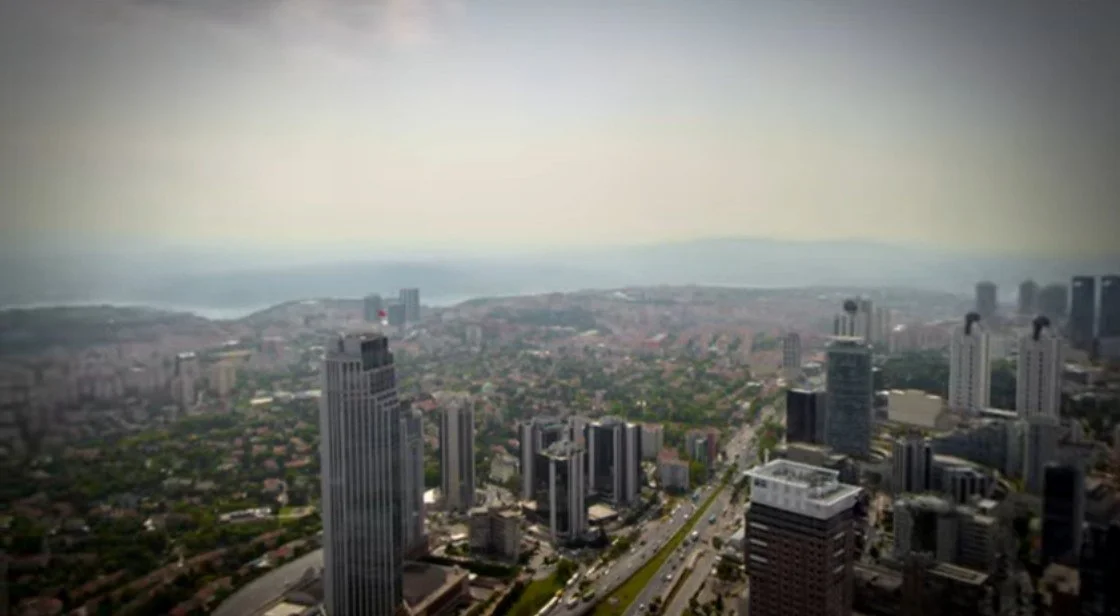
The process of development and “modernisation” continued to result in bigger blocks, a coarser urban grain, more highways and less likelihood of retaining the walkable neighbourhoods that had historically made up the city. The gentle “layering” of new upon old, and understanding that heritage is about change done well, seem forgotten here and should be a reminder to anywhere with many centuries of history. And anywhere with hopes of a good future too – how do we create new places which will mature in ways which create urban richness – places which allow for complexity of our lives, and where the sights, sounds and smells reflect and draw us into that richness?